

The Effects of Pink Cocaine or Tusi?
What is pink cocaine and where did it get its name? To help you better understand the dangers of the substance also known as Tusi, let’s discuss what it is and its effects.
In 2024, the term ‘pink cocaine’ suddenly became well-known. While the drug had been available for years, it was the death of a public figure which thrust it into the spotlight. We won’t go into details about the person, as toxicology reports did not actually confirm the presence of pink cocaine in their system.
Additionally, the use of pink cocaine has been linked to the infamous parties of Sean ‘Diddy’ Combs, who was charged last year with multiple counts of sexual assault.
It is important to understand the effects of pink cocaine, as without knowing about the dangers, many people fall prey to its appeal.
Here’s what you need to know about pink cocaine (tusi) and its effects.
What is Pink Cocaine (Tusi)?
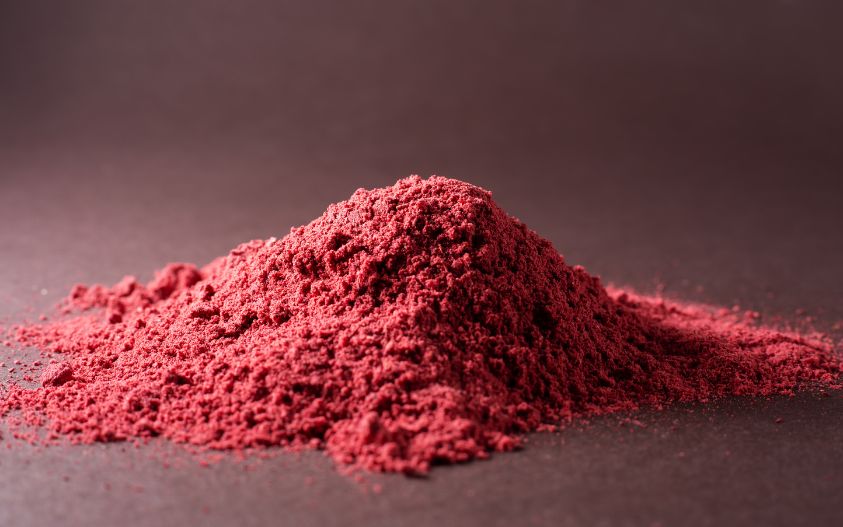
Pink cocaine is a synthetic ‘party drug’ that has gained popularity in recent years. It is usually dyed pink, which is responsible for part of its name. However, in another sense, ‘pink cocaine’ is a misnomer – it does not always contain any cocaine!
In fact, the substance most typically found in pink cocaine is ketamine. The ketamine is mixed with a range of other substances, sometimes including cocaine, in order to produce a hallucinogenic effect.
Pink cocaine was originally designed to replicate the effects of 2C-B, a synthetic psychedelic drug belonging to the phenethylamine family. In the 1970s, 2C-B was used as a legal alternative to MDMA before it too was classified as an illicit substance.
Nowadays, 2C-B is difficult to get, and concoctions of pink cocaine are used in its place. In addition to ketamine, pink cocaine often includes one or more of the following substances:
- MDMA
- Ecstasy
- Cocaine
- Fentanyl
- Xylazine
Why do People Use Pink Cocaine?
Let’s first discuss the effects of pink cocaine that appeal to its users. Pink cocaine may cause:
- Enhanced sensory perception: with amplified colors and sounds, and heightened tactile sensitivity.
- Euphoria: including the feelings of joy and pleasure induced by drugs like MDMA and ecstasy.
- Increased energy and sociability: conducive to partying as well as socializing.
- Altered perceptions and hallucinations: including mild visual hallucinations and synesthesia.
- Heightened sexual and emotional intimacy: whether with partners, friends, or strangers.
It’s understandable that pink cocaine appeals to people, especially those who already enjoy partying. It can seem like an easy way to add excitement to a night out or improve stamina. For people who struggle with social anxiety, it might seem like an easy way to feel more comfortable socializing.
However, these effects are not only inconsistent, but also come at a cost. Since it is often impossible to know what is in a particular batch of pink cocaine, the effects of the substance can vary widely, potentially leading to bad trips and other distressing experiences. Furthermore, its usage can lead to addiction to other substances or even to an overdose.
The Effects of Pink Cocaine
The dangers of pink cocaine are present no matter what a particular batch contains. However, the uncertainty is what often leads to harm on a particular occasion. A batch containing high volumes of fentanyl, for example, is all too easy to overdose on as its users may not think to take extra care.
Also, some people have strong negative responses to certain substances but do not realize that these may be in the pink drug they are using, especially since it is often called a party or recreational drug and has a ‘whimsical’ pink color.
But regardless of its makeup, pink cocaine can be dangerous even when used in lower volumes due to a number of its effects.
Physical Risks
Pink cocaine impacts a person’s body in numerous ways. Risks include:
- Cardiovascular issues: Elevated heart rate, increased blood pressure, and potential heart strain or damage.
- Gastrointestinal distress: Severe nausea, vomiting, or stomach cramps.
- Neurological symptoms: Dizziness, seizures, or loss of coordination, particularly at higher doses.
These effects are dangerous both for people with physical health problems and those who are otherwise healthy. A person is at risk of injury or death if they choke on their vomit, regardless of how healthy their heart and other organs may be. The neurological symptom can also cause the person to come to significant harm.
Psychological Risks
The psychological risks of pink cocaine include:
- Anxiety and panic attacks: Intense anxiety or panic, particularly in unfamiliar or stressful environments.
- Psychosis: Risk of paranoia, delusions, or hallucinations leading to psychological distress.
- Flashbacks: Recurring hallucinations or perceptual distortions even after the drug’s effects wear off.
Not only can these effects lead to long-term distress, but they can also lead to dangerous decisions in the moment.
Behavioral Risks
Pink cocaine impacts a person’s decision-making and can lead to decisions with catastrophic results. Behavioral risks include:
- Impaired judgment: Increased risk-taking behaviors, leading to accidents or injuries.
- Poly-drug use: Mixing pink cocaine with other substances such as alcohol or stimulants significantly increases toxicity and health risks.
- Dependence: While physical dependence is uncommon, psychological dependence can develop, especially in users who frequently seek its euphoric or sensory-enhancing effects.
Pink Cocaine: Prevention and Treatment
Awareness of the potential dangers of pink cocaine or tusi can help prevent its usage. While it is seen as a party drug causing increased energy and feelings of happiness, the consequences can be far more sinister.
People can become psychologically addicted to pink cocaine, even though physical dependence is unlikely. Addiction is a serious mental health issue that requires professional treatment.
If you or a loved one is struggling with addiction to pink cocaine, get in touch with Serenity Malibu today.